Skip to content
LeasideLock ExpertsOpen 24/7 (289) 806-8979
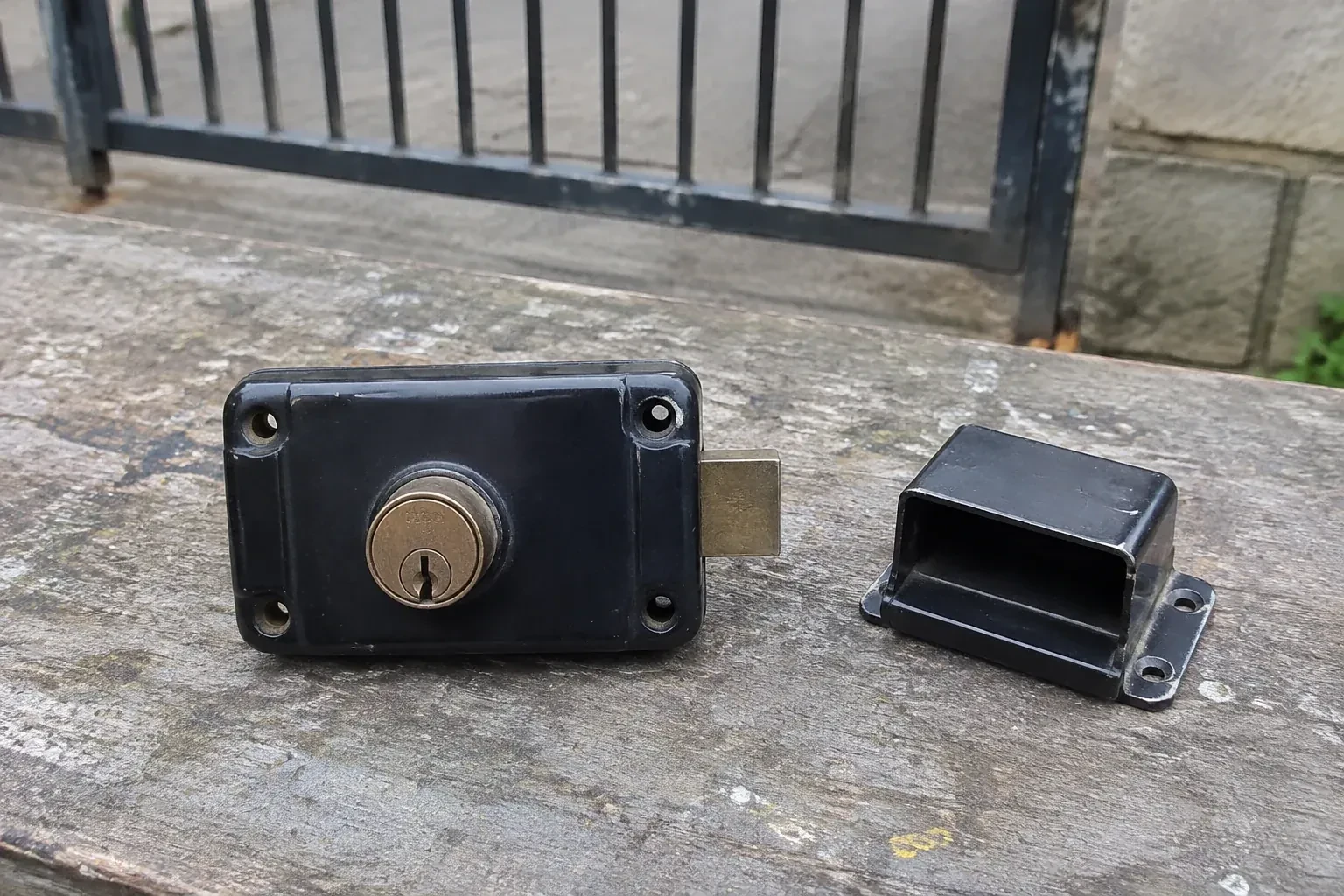
Detached rim gate lock and separate box keeper on an outdoor workbench. — Gate & Building Entry Locks, Toronto

Change or rekey · Toronto

Gate & Building Entry Locks

The padlock on the side gate has gone stiff every winter for three years running, and this year the key simply will not turn past the first few pins. Salt spray off the road and a season of meltwater have left the cylinder pitted and reluctant.

In plain words

A gate or door that will not latch is rarely just a lock problem; more often the hardware is being asked to catch a moving target. This visit reads the gate or door's actual swing, sag and alignment first, then brings the closer, hinges, strike and cylinder into agreement with each other rather than replacing parts one at a time. Once the physical fit is right, the same lock that seemed unreliable for months often turns out to have been sound all along.

Sound familiar?Toronto

The call
Someone pried at the gate latch overnight, and now the strike plate hangs by one screw and the cylinder spins loose in its housing. The gate still closes, technically, but a firm shoulder is all it would take to open it from outside.
NextHow the visit goes

Gate & Building Entry Locks · Toronto

How the visit goes

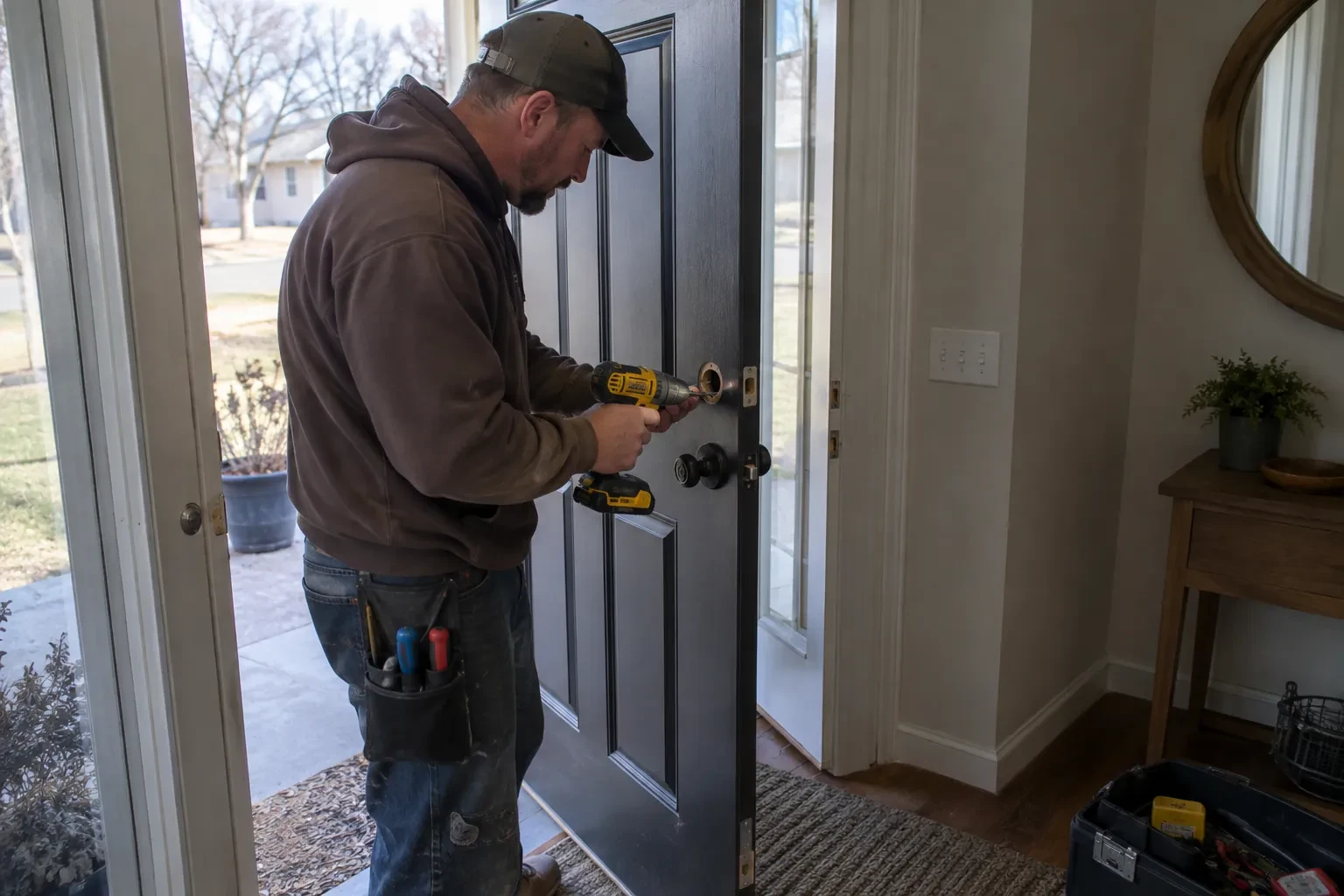
Technician in a cap using a yellow drill at the round bore of a dark door, with a black knob below it.
  1. Scene 1

    Looking for prior damage or an attempted entry

    Before any work begins, the locksmith looks for signs that something has already been tried on the gate or door: pry marks near the strike, a scratched or spun cylinder, a bent hasp, or a padlock shackle that has been cut and replaced. Noting this clearly, before touching anything, means the property owner knows exactly what was there beforehand and what the visit actually changed. It also flags whether the surrounding frame or post absorbed damage that needs attention alongside the lock itself.

  2. Scene 2

    Bringing an electric strike or maglock back online

    Where the entry includes a buzzer, keypad or electric release, the work follows the wiring back from the door: checking the transformer or power supply, the connections at the strike or maglock, and the intercom or keypad sending the release signal. A faulty component is repaired or replaced, and, where the specified lock includes a mechanical override cylinder, that cylinder is tested independently so the door can still be opened by key if the electronics ever fail again. The system is then tested as a whole, buzzing the door open and confirming any mechanical key still works, before the visit ends.

  3. Scene 3

    A gate that closes itself properly

    The visit ends with the gate or door swinging through several full cycles while you watch: opening from a stop, closing on its own, and settling into the latch without a slam or a rebound. Anything adjusted along the way, such as the closer's speed or the strike's position, is pointed out so you know what changed. From here the gate should close the same way whether it is pushed gently or blown by wind, which is the actual point of a working closer rather than a lock that only cooperates when someone remembers to push it shut.

In the van

  • Cylinder decoder and pick set
  • Hinges, pivots and shims
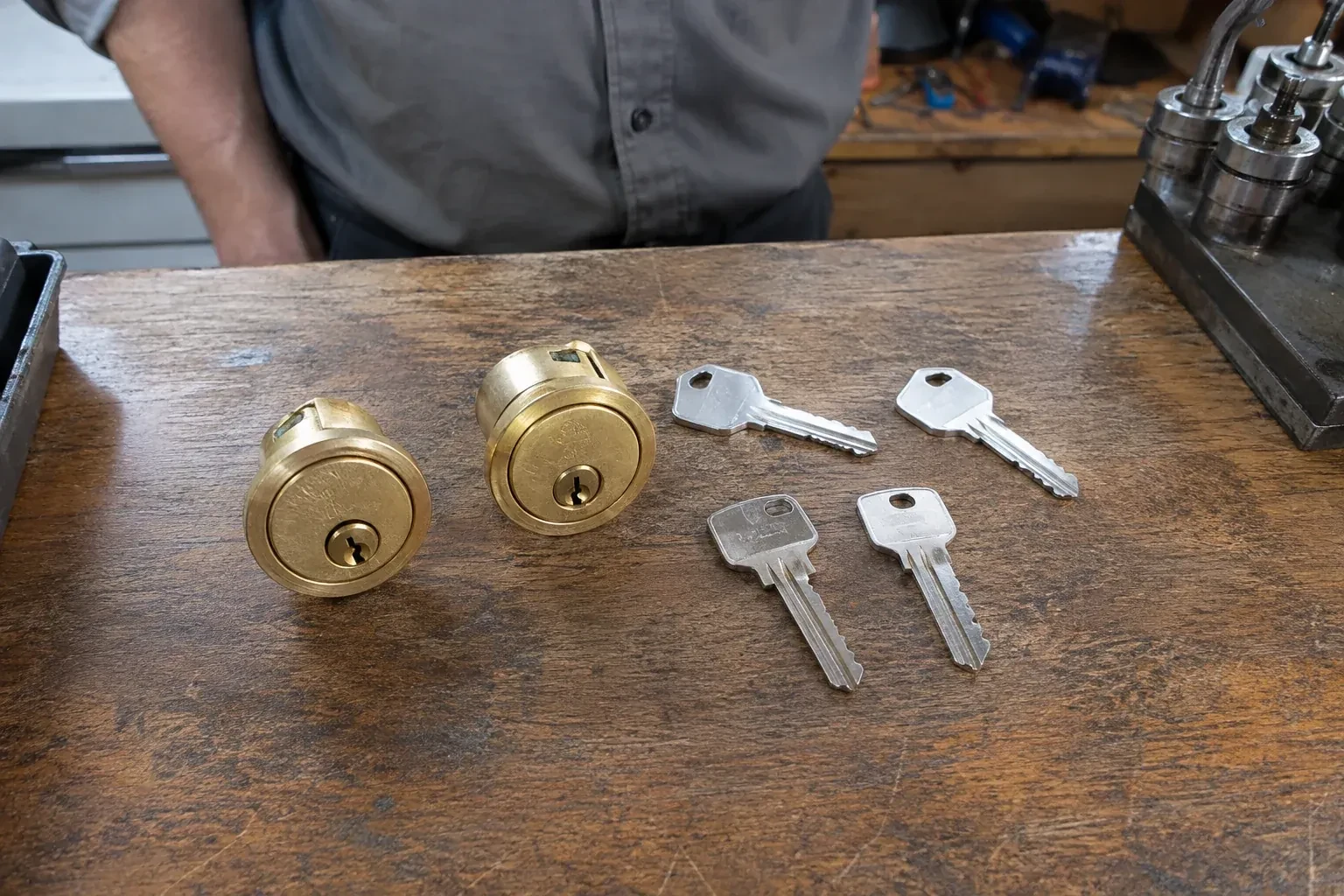
  • Keyed-alike cylinders
  • Voltage tester for electric strikes
  • Gate and door closers

What shapes the quoteLeaside Lock Experts

Number of gates or entries involved
One gate lock is the simplest case. A front gate, a side gate and a shared building entry looked at in the same visit is naturally a longer job with more hardware to work through.
Whether the post or frame needs correction
When the underlying cause is a leaning post or a shifted frame rather than the lock itself, resetting, packing or bracing that structure is quoted as its own item alongside the lock work.
Condition of the closer, hinges and post
Simple adjustment of an existing closer is a smaller job than replacing a worn closer, correcting sagging hinges, or resetting a post that has shifted with the ground; the quote follows whichever combination the assessment finds.

FeesSame any hour

Have it ready

Before you call · 0 / 3

(289) 806-8979

Ask us anything about locks

Who is allowed to ask for a rekey on a shared building entry?

Because a shared entry serves more than one household, the locksmith looks for someone with authority over the whole door: an owner, a landlord, a property manager or a condo board, rather than any single resident acting alone. An individual tenant can usually request work on their own unit's door without issue, but changing the lock everyone in the building relies on to get in is treated as a decision for whoever manages the property, with current residents given new keys once it is done.

What is the difference between a gate lock and a regular door lock?

A gate lock is built to work outdoors, so it usually pairs a latch or bolt with a closer that swings the gate shut on its own using its own spring, rather than relying on a person to push it home. The cylinder tends to be weather-rated, and the whole assembly fits a gate frame or post rather than a conventional door jamb. A building entry door, by contrast, often combines this outdoor hardware with an interior-style latch or an electric strike.

What is a good option for a gate that delivery drivers or a maintenance crew need occasional access to?

A keypad or a lockbox with a rotating code works well there, since access can be shared without handing out a physical key that has to come back later. A weather-rated cylinder with a separate access key is another option if the property already runs on a keyed system. The locksmith can talk through how often the code should change and who on site should know it, so the gate stays convenient without staying open to everyone.

Torontoinformation

TorontoOntario

Town
Toronto
In business
34 years
Hours
Open 24/7
Nights, weekends and holidays, same fees
Visits
On-site assessment preferred. Request a visit or call.

2021 census: what it means at the door

Every square is one home in a hundred.

  • 58 in 100 homes · older homes
  • About 58% of homes in Toronto were built in 1980 or earlier, according to the 2021 Census.Decades of seasons move a frame, and an older house often has a front door that locks easily in summer and fights in winter. Setting the strike with the seasons in mind, and choosing a lubricant that stays fluid in the cold, keeps it working year round.
  • Single-detached houses make up about 23% of homes in Toronto (2021 Census).Where housing is mostly apartments and condos, mailbox locks are a regular call. A worn or lost mailbox key is a small job that a locksmith handles alongside the suite door, and the new lock comes with fresh keys cut on the spot.

Source: Statistics Canada, Census Profile

Open Toronto in Google Maps

On-site assessment

Request a visit.

The padlock on the side gate has gone stiff every winter for three years running, and this year the key simply will not turn past the first few pins.

(289) 806-8979, open 24/7.