Skip to content
LeasideLock ExpertsOpen 24/7 (289) 806-8979
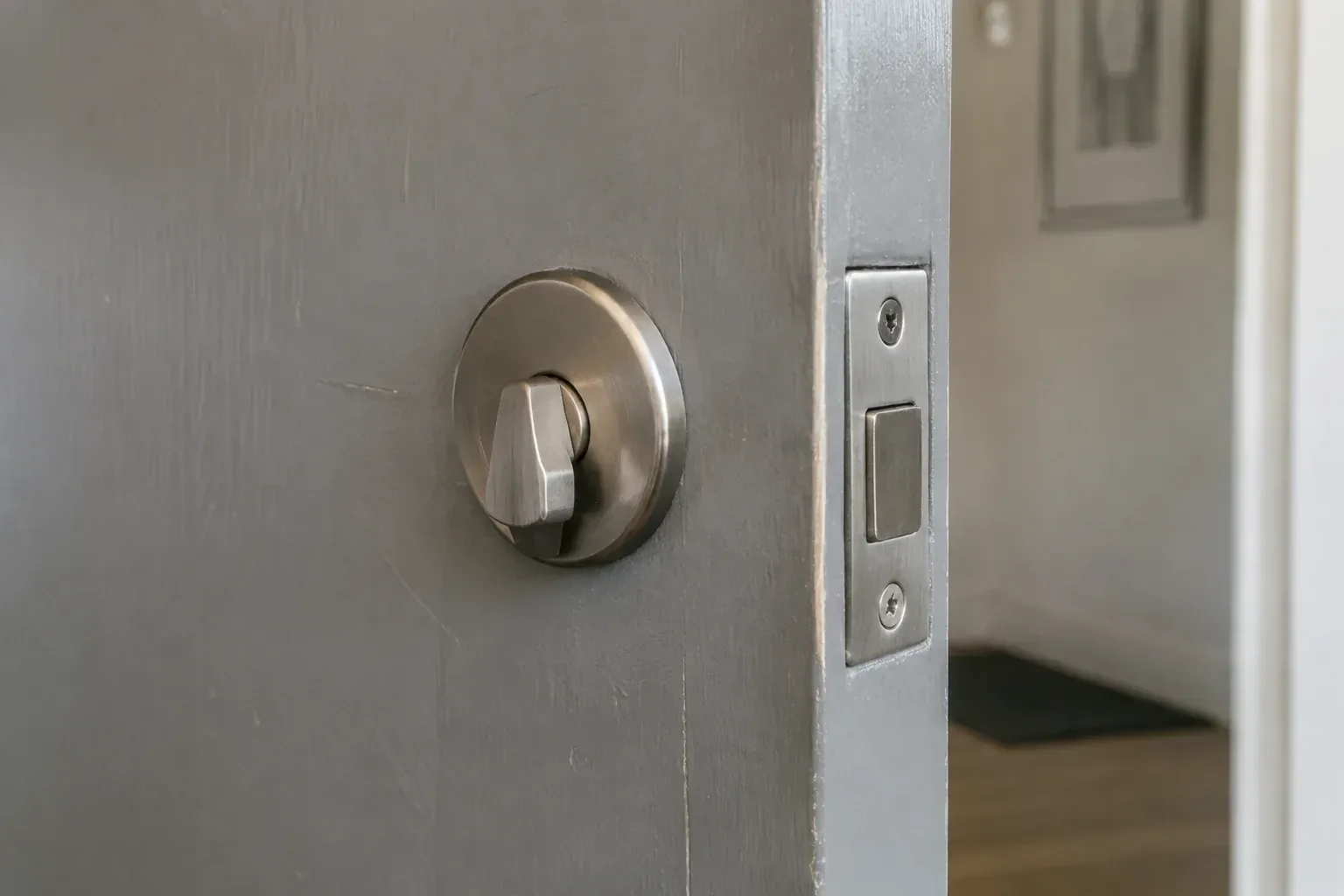
Close view of a satin-nickel deadbolt thumbturn and edge faceplate on a painted timber door. — Deadbolt Installation, Toronto

Change or rekey · Toronto

Deadbolt Installation

You moved in three weeks ago. The previous owner left a handful of keys, none labelled, and the bolt on the side door rattles in its housing.

In plain words

Replacing an existing deadbolt is usually a matter of matching rather than cutting. The locksmith measures the cross bore, the edge bore and the backset, checks the door thickness, and picks a bolt that drops into the holes you already have. Where the old lock was a builder-grade unit, the replacement can step up to a heavier grade with a hardened bolt, a free-turning collar around the cylinder and a low-profile face that gives a wrench nothing to grip. The old strike is checked against the new bolt's instructions, and where it calls for it, a reinforced strike and long screws go in while the door is already apart.

Sound familiar?Toronto

The call
You bought a keypad deadbolt online and pulled the old one off, only to find the hole in the door is a different size and the bolt latch sits at a backset the new kit does not list. The door is now open and the box is on the counter.
NextHow the visit goes

Deadbolt Installation · Toronto

How the visit goes

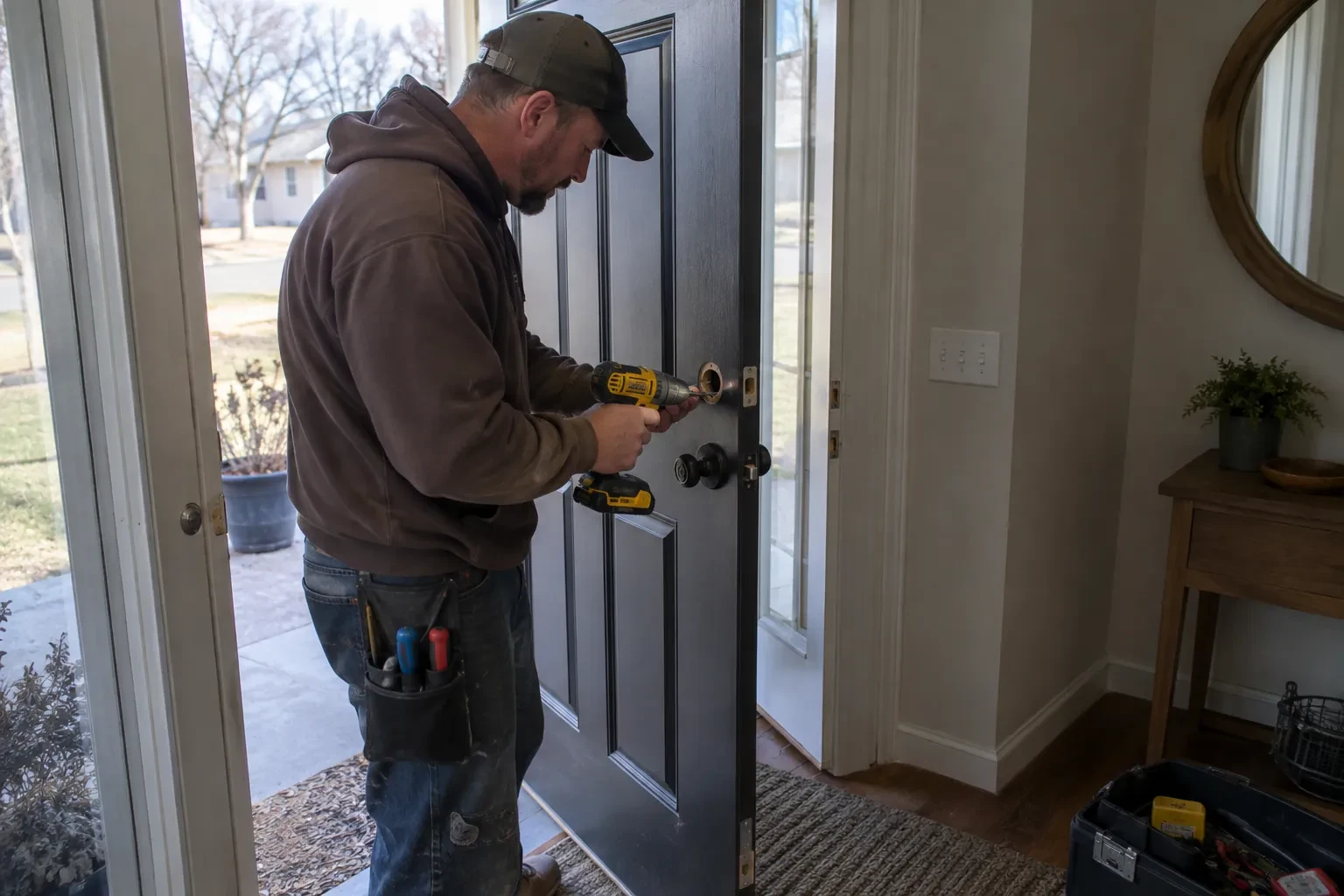
Technician in a cap using a yellow drill at the round bore of a dark door, with a black knob below it.
  1. Scene 1

    Glass, sidelights and what is within reach

    Glass changes the conversation about which deadbolt to fit. A pane in the door or a sidelight within an arm's reach of the lock means an inside thumb-turn could be reached by breaking the glass, which is why double-cylinder deadbolts are sometimes suggested. The locksmith measures the distance from the glass to the lock, notes whether it is tempered, laminated or plain, and lays out the options: a captive thumb-turn that needs a key only when you choose, a laminated pane or a tested security film that can delay an arm, or moving the bolt height. The aim is a door that keeps a stranger out and still lets everyone inside leave with one turn of the hand.

  2. Scene 2

    Setting a strike that reaches the framing

    A reinforced strike or strike box is centred over the pocket, squared to the edge of the jamb, and its outline is scored and chiselled to a depth that leaves the plate flush. Pilot holes are drilled, and the two holes nearest the door stop take 75 mm screws that pass through the jamb and the shim space into the stud behind, with shorter screws in the remaining holes. The long screws are driven by hand for the last turns so the heads seat without crushing the jamb. Where the jamb is thin or has been split by an earlier attempt, a full-length jamb reinforcer is fitted under the strike instead.

  3. Scene 3

    Looking after it through the seasons

    A deadbolt asks for very little, and most of it happens twice a year. In spring and again in autumn, throw the bolt with the door closed and notice whether it still slides in freely; wood doors swell in humid summers and shrink in dry winter air, and the first sign is a bolt that needs the door pulled before it will lock. If so, a small strike adjustment puts it right. Give the bolt and keyway a puff of whatever lubricant the lock's own maker specifies, often dry PTFE or graphite, since some cylinders are serviced with oil instead. Wipe salt off the outside trim after a slushy week so the finish stays bright.

In the van

  • Boring jig and 54 mm hole saw
  • 75 mm (3 in) strike screws
  • Dry PTFE lubricant
  • Strike box
  • Sharp chisel and mallet

What shapes the quoteLeaside Lock Experts

New bore or replacement into existing holes
Boring a door that has never had a deadbolt takes more time and tooling than dropping a new bolt into holes that are already there, and the quote reflects which of the two your door needs.
Door material
Solid wood, steel-clad and fibreglass doors are each cut differently. Metal skins call for slower cutting and cleanup of filings, so the material is one of the first things a quote takes into account.
Rental and building requirements
Matching a building's keyway, providing keys to a landlord or fitting a lock that a condominium corporation specifies can add hardware or bench work, each shown as its own item.

FeesSame any hour

Have it ready

Before you call · 0 / 3

(289) 806-8979

Ask us anything about locks

How long does a deadbolt installation take?

A replacement into existing holes is generally the shorter visit, and boring a fresh door with a new strike takes longer, roughly an hour or two per door including the frame work and testing. Steel doors, keying alike, frame repairs after a forced entry and fitting a jamb reinforcer each add time. The locksmith can give a realistic estimate once the door and frame have been looked at.

What should I have ready before the locksmith arrives?

Know which doors you want bolted, what they are made of, and whether each already has a deadbolt or only a knob. A photo of the door face and edge helps. Have any existing keys to hand, decide whether you want everything on one key, and mention glass near the lock, a storm door in the same opening, or a rental agreement. If you have already bought hardware, keep the box and template together.

Can the new deadbolt use the same key as my other doors?

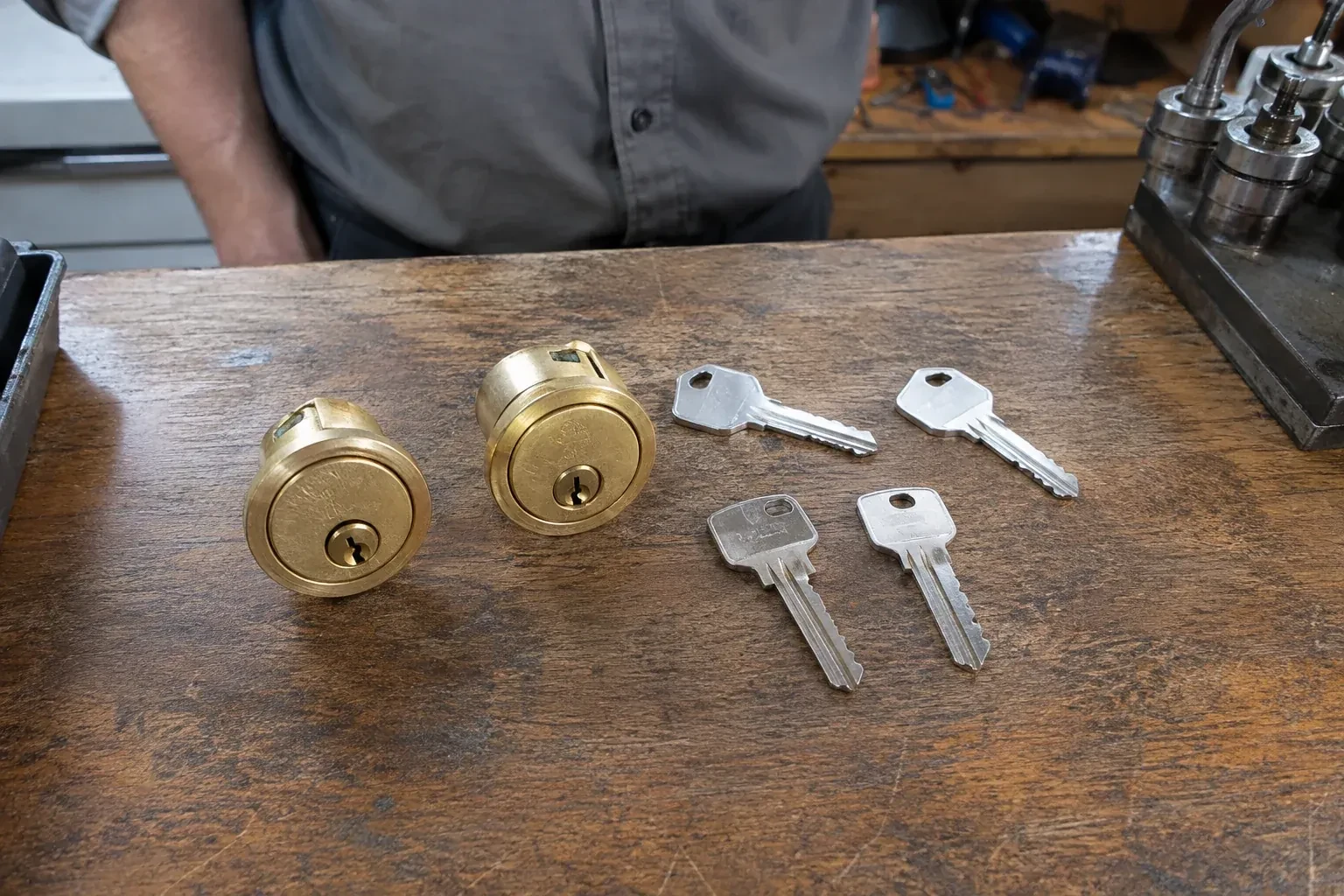
Usually, yes. If the new lock shares a keyway with your existing cylinders, the locksmith repins it on the bench so your current key operates it, and nothing changes on anyone's ring. If the keyways differ, the other doors can be brought onto the new key instead. Say which key you want to keep before the hardware is chosen, because keyway is part of picking the lock.

Torontoinformation

TorontoOntario

Town
Toronto
In business
34 years
Hours
Open 24/7
Nights, weekends and holidays, same fees
Visits
On-site assessment preferred. Request a visit or call.

2021 census: what it means at the door

Every square is one home in a hundred.

  • 58 in 100 homes · older homes
  • About 58% of homes in Toronto were built in 1980 or earlier, according to the 2021 Census.Decades of seasons move a frame, and an older house often has a front door that locks easily in summer and fights in winter. Setting the strike with the seasons in mind, and choosing a lubricant that stays fluid in the cold, keeps it working year round.
  • Single-detached houses make up about 23% of homes in Toronto (2021 Census).Where housing is mostly apartments and condos, mailbox locks are a regular call. A worn or lost mailbox key is a small job that a locksmith handles alongside the suite door, and the new lock comes with fresh keys cut on the spot.

Source: Statistics Canada, Census Profile

Open Toronto in Google Maps

On-site assessment

Request a visit.

You moved in three weeks ago.

(289) 806-8979, open 24/7.