Leaside Lock ExpertsBulletin 1 of 3Toronto, Ontario
Mailbox Lock Replacement: inside the visit
Mailbox lock replacement swaps the small lock inside a mailbox door or a single compartment of a building's mail panel for a new one that matches the same opening.
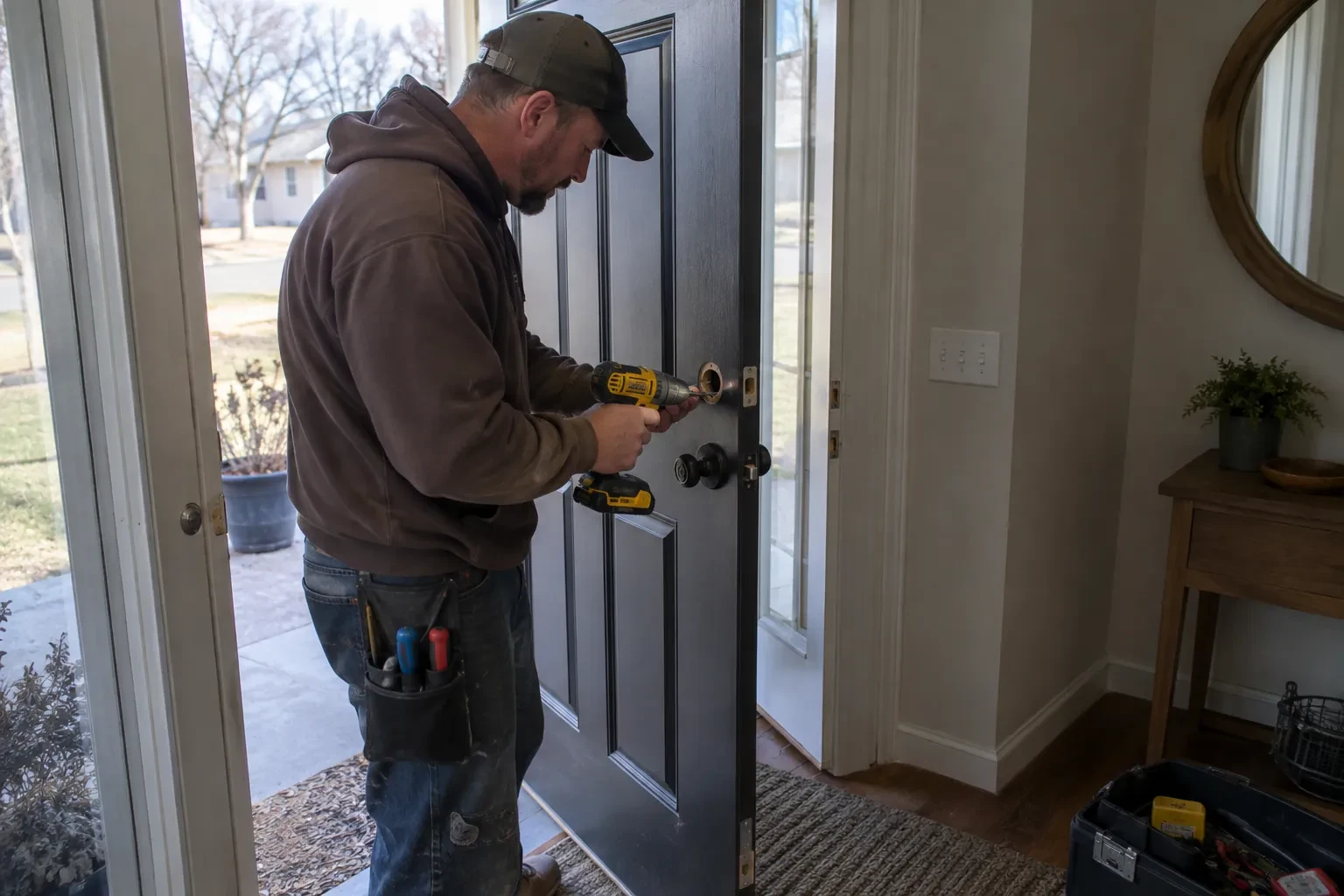
Mailbox lock replacement swaps the small lock inside a mailbox door or a single compartment of a building's mail panel for a new one that matches the same opening. The technician measures the old cylinder and cam, removes the lock through the compartment's own retaining nut or clip, and fits a replacement built to the same length and throw. Two working keys are cut and tested before the visit ends, so the compartment locks and unlocks cleanly and the surrounding boxes are never touched.
Who shares the panel
When the mailbox is one compartment among many, the locksmith asks a practical question before touching anything: does this change affect only the compartment named, is the household hoping to bring several doors onto a matching set of keys, or is the building coordinating a wider changeover across many units at once? Knowing the answer up front decides whether one lock is measured and replaced or whether a run of compartments is scheduled together, with each one still confirmed against the person or manager responsible for it.
Working through a full panel
When a property manager has asked for several compartments changed together, each one is still confirmed against the unit number or resident it belongs to before its lock comes out, and the work moves door by door rather than as one blanket swap. Compartments stay keyed separately from each other unless a resident specifically asks for their mailbox and another lock to share a key. A panel-wide visit closes with a simple list: which compartment received which lock, and how many keys went to each person.
Deciding who else gets a key
With new hardware in place, it is worth a short conversation about who actually needs a key: a partner, an adult child, someone who collects mail while the household travels. Extra keys are simplest to cut while the locksmith is still there, from the fresh cylinder rather than a copy of a copy made later. A spare kept with a trusted neighbour or family member is a sensible backup to a key ring that might one day go missing again.